Warning Signs To Prevent A Home Electrical Fire

Did you know that electrical fires are one of the leading causes of house fires in Australia? Despite this alarming statistic, they are also among the most preventable. With a little knowledge and some simple precautions, you can significantly reduce the risk of an electrical fire in your home.

Whether it’s a flickering light, a warm outlet, or a circuit breaker that trips too often, these seemingly small issues can be early warning signs of bigger problems!

In this post, we’ll walk you through the most common signs that your home might be in danger of an electrical fire and, more importantly, how you can take action to protect your home and loved ones.

What is an Electrical Fire?

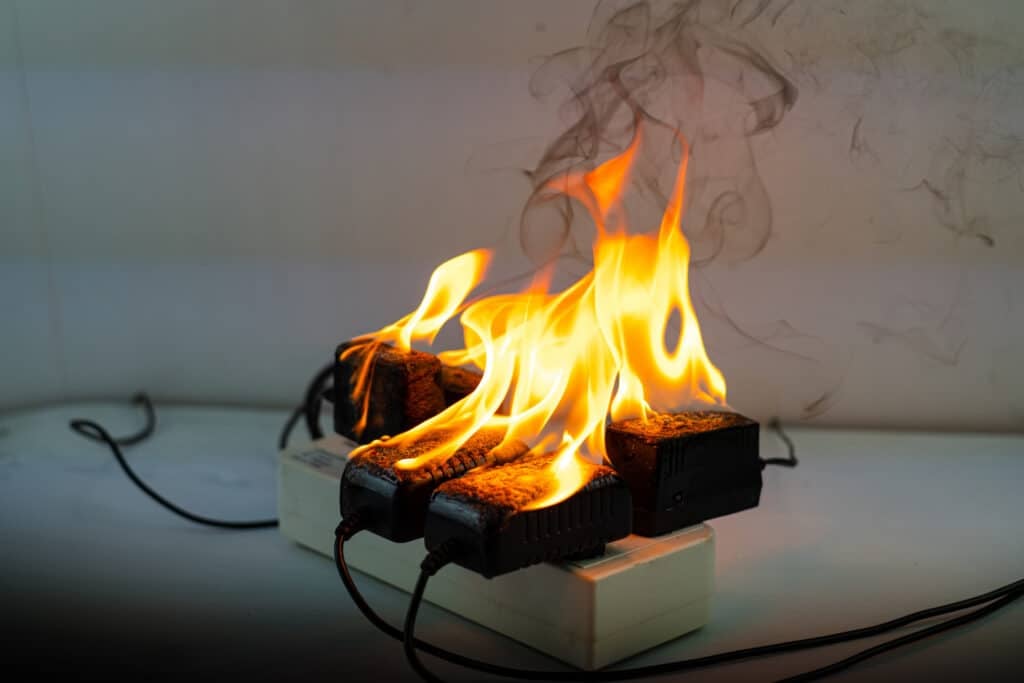
An electrical fire is a type of fire that starts due to an electrical fault or malfunction. When electrical current overheats a component—whether faulty wiring, appliances, or outlets—the excessive heat can ignite surrounding materials and lead to a fire.

These fires can spread quickly. In fact, small electrical fires can spread in as little as 30 seconds – especially if they come into contact with flammable materials, making them a serious risk to both property and safety.

How Electrical Fires Differ from Other Types of Household Fires

While electrical fires are still fires, they do have several differences compared to other household fires:

  • Ignition Source: Electrical fires often begin because of electrical faults, like short circuits, overloaded outlets, or malfunctioning appliances. Unlike fires caused by open flames from cooking or candles, electrical fires usually start inside walls or behind appliances where we can’t see them right away.
  • Fire Behaviour: Normal fires rely on the fuel and oxygen available in their immediate area, which can help limit their spread. However, electrical fires burn more intensely and quickly than regular fires. This happens because the electrical current keeps feeding the fire, making it hard to control.
  • Fire Containment: Electrical fires are more challenging to contain. We often get the question: Does water put out an electrical fire? Using water or other conductive extinguishers can be dangerous because of the risk of electric shock. Instead, special extinguishing agents like dry chemical or carbon dioxide fire extinguishers are required to safely put out electrical fires.
  • Additional Hazards: Electrical fires come with their own set of risks. Besides the usual fire dangers, there’s a real risk of electric shock, and the fire can spread quickly through your home’s wiring. This makes electrical fires particularly challenging to handle and control increasing the potential for widespread damage.

Common Causes Of Electrical Fires

Electrical fires can be alarming, but knowing what causes them can help you prevent them and keep your home safe. They are often related to the way we use or maintain our electrical systems and appliances. Here are some of the most frequent culprits behind electrical fires:

  • Faulty Wiring: Wiring that’s outdated or damaged is a major fire risk. Over time, wires can become frayed or worn out, leading to short circuits and overheating.
  • Overloaded Circuits: We all love our gadgets, but overloading circuits by plugging too many devices into one outlet or power strip can lead to overheating.
  • Faulty Appliances: When appliances start to act up, they can become fire hazards. Issues like damaged cords or worn-out parts can cause overheating. Keep an eye on your appliances and get them repaired or replaced if they’re showing signs of trouble. And always use them according to the manufacturer’s instructions.
  • Incorrectly Installed Electrical Devices: If electrical devices like outlets or light fixtures aren’t installed properly, they can create fire risks. Make sure any electrical installations are done by qualified professionals to ensure everything is safe and up to code.
  • Electrical Equipment Near Flammable Materials: Keep electrical equipment and appliances away from things that can catch fire easily, like paper or cloth.
  • Overloaded Extension Cords: Extension cords are handy, but they’re not meant for heavy-duty use or long-term solutions. Overloading, daisy chaining them or using damaged ones can lead to overheating and fires.
  • Poor Maintenance: Neglecting your electrical system can lead to hidden issues that can quickly turn into serious problems. Regular maintenance checks of your wiring, outlets, and appliances can catch potential problems early and help keep your home safe.

Warning Signs To Look Out For

Spotting the early signs of electrical problems can make all the difference in preventing a fire. Here are some key warning signs that you should keep an eye out for:

Your Circuit Breaker Keeps Tripping

If your circuit breaker keeps tripping, it’s a clear sign that something’s not quite right with your electrical system. Circuit breakers are designed to trip and cut off power if there’s an overload or fault – protecting your appliances and home from potential damage or fire. Frequent tripping can indicate an overloaded circuit, faulty wiring, or a malfunctioning breaker.

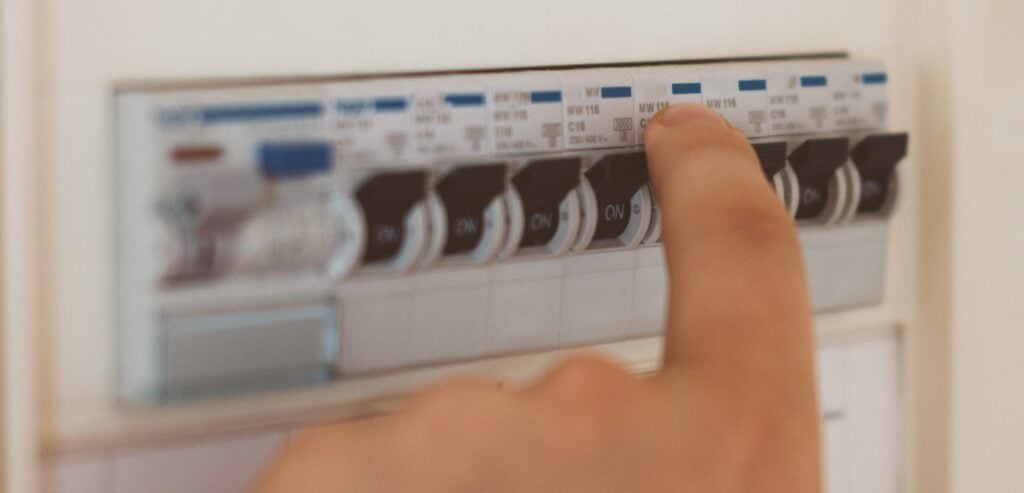
To reset your circuit breaker, simply switch it off and then back on. However, if it keeps tripping, despite your efforts, don’t continuously reset the breaker. This might cause the breaker to stop working properly, which could leave your home vulnerable to electrical hazards.

If you notice this happening often, it’s time to have a professional electrician take a closer look. They have the knowledge, tools and skills to effectively diagnose the problem and provide a safe, long-term solution.

Unexplained & Persisting Burnt Smell

A burnt smell in your home that doesn’t seem to have an obvious cause is a big red flag. Electrical issues often produce a distinct burnt odour, and if you can’t pinpoint where it’s coming from, it could be a sign of overheating wires or components. Don’t ignore this smell—address it immediately to prevent a potential fire.

Discoloured or Charred Outlets & Switches

Discoloration or charring around outlets and switches is also warning sign of an electrical fault. This usually indicates overheating and can be caused by faulty wiring, overloaded circuits, or loose connections. If you see any outlets or switches that look scorched or discoloured, it’s crucial to get them inspected and repaired ASAP.

You Have Old & Outdated Wiring

Older homes will often have outdated wiring systems that may not meet current safety standards. If your home has wiring that’s more than a few decades old, it’s worth having it assessed by a professional. Outdated wiring can be a significant fire hazard, as it typically can’t handle the demands of modern electrical loads.

Flickering or Dimming Lights

If you notice that your lights are flickering or dimming unexpectedly, it could be a sign of an underlying electrical issue. This can happen for a number of reasons:

  • Loose or Faulty Bulbs: Sometimes, flickering lights are simply due to a loose or damaged light bulb. Make sure the bulb is properly screwed in and consider replacing it if it seems worn out.
  • Faulty Light Switches or Dimmers: If the problem occurs only when using a particular switch or dimmer, it might be faulty. Replacing or repairing the switch or dimmer could resolve the issue.
  • Overloaded Circuit: Flickering lights can also be caused by an overloaded circuit, especially if the flickering happens when you’re using multiple appliances. This indicates that your circuit may not be able to handle the load.
  • Wiring Issues: More serious issues, such as loose or outdated wiring, can also cause lights to flicker or dim. This could be a sign of a more significant problem with your electrical system that requires professional attention.

Preventing Electrical Fires

Keeping your home safe from electrical fires involves a mix of good habits and proactive measures. These include:

  • Schedule Regular Electrical Inspections: Regular inspections by a qualified electrician is crucial for identifying potential issues before they become serious problems. An electrician can check your wiring, outlets, and electrical panels to ensure everything is up to code and functioning safely.
  • Avoid Overloading Outlets and Circuits: Be careful of how many devices you plug into outlets and power strips. Avoid overloading any single outlet or circuit, as this can lead to overheating and potential fire hazards. Try to spread out your electrical load across multiple outlets and use power strips with built-in circuit breakers for additional security.
  • Use Appliances Safely: Be sure to follow the manufacturer’s instructions for using electrical appliances and never use damaged or frayed cords. Regularly inspect appliances for signs of wear and tear and replace them if they’re not functioning properly. Don’t leave appliances unattended while they’re in use, especially those that generate heat!
  • Keep Electrical Equipment Dry: Avoid using electrical appliances or devices in wet or damp conditions. Water and electricity don’t mix, and using electrical equipment in these environments can increase the risk of short circuits and fires.
  • Upgrade Outdated Wiring: If your home has old or outdated wiring, consider upgrading it, or at least inspecting it regularly. An electrician can assess your wiring and recommend any necessary upgrades to improve safety and efficiency.
  • Avoid DIY Electrical Repairs: While it may be tempting to tackle electrical issues yourself, it’s best to leave repairs and installations to the professionals. Attempting DIY electrical work can be dangerous and may lead to further problems!

Key Takeaways

Electrical fires are a serious risk, but with the right precautions and knowledge, you can reduce the chances of one occurring in your home. By understanding the common causes, recognising warning signs, and implementing preventive measures, you can keep your electrical systems safe and your home secure.

At SWPS Electrical, we are proud to be a trusted electrical partner for wineries, local businesses, and residential clients across Margaret River and the South West. We bring deep industry knowledge and top-notch workmanship to every job to ensure that your electrical systems run smoothly and safely.

If you’re concerned about the safety of your electrical system or need a professional inspection, don’t hesitate to reach out to us. Contact SWPS Electrical today to learn more!
Why Is My Circuit Breaker Tripping? Common Causes & How To Fix

Have you ever flipped a switch only to find yourself in the dark? If so, you’re not alone!

Circuit breakers are designed to protect your home’s electrical system from damage, but when they trip, it is frustrating (and time-consuming!) to try and find the issue. But, understanding why this happens can help you prevent future issues and keep your home safe.

In this post, we’ll dive into some of the most common reasons why your circuit breaker might be tripping. From practical tips on how to diagnose the problem to practical solutions to get your electrical system up and running.

First Things First, What Is A Circuit Breaker?

Put simply a circuit breaker is an automatic switch that is designed to protect an electrical circuit from damage. It does this by cutting off the flow of power when it detects something goes wrong. A circuit breaker consists of several key components including:

  • Current Sensing Element: This monitors the electrical current flowing through the circuit.
  • Trip Mechanism: If the current exceeds safe levels, the trip mechanism activates, cutting off the power.
  • Contacts: These are the parts that physically open and close to interrupt the current flow.
  • Arc Chute: This component helps extinguish the electrical arc that forms when the contacts separate.
  • Operating Handle: This allows you to manually switch the breaker on or off.

What Does It Do?

The benefit of a circuit breaker is its reusability. Unlike a fuse that needs replacing once it blows, a circuit breaker can simply be reset to resume normal operation. This not only makes them more convenient but also enhances safety by allowing for quick recovery without constant replacements.

  • Detects Overloads: It senses when the circuit is carrying more current than it can handle, which could otherwise cause overheating and damage.
  • Prevents Short Circuits: If a short circuit occurs, where electricity finds an unintended path, the breaker trips to prevent potential fires or damage.
  • Guards Against Ground Faults: It helps to protect against ground faults, which happen when electricity escapes from its intended path and could pose a risk of shock or fire.
  • Disconnects Overloaded Devices: By cutting off power to devices or circuits that are drawing too much current, it ensures your electrical system stays safe and functional.

Why Does A Circuit Breaker Trip Suddenly?

Your electricity is running fine, so why does your breaker trip and cut off power out of the blue? It’s frustrating, but understanding why this happens can help you resolve the issue and prevent it from recurring. Here are some common reasons why your circuit breaker might trip suddenly:

Circuit Overload

This is one of the most frequent causes of a tripped breaker. Electrical outlets and circuits are designed to handle a specific amount of amperage. So, when too many devices are plugged in or a high-power appliance is used in an area that can’t handle the load, the circuit can become overloaded.

Short Circuit

A short circuit happens when one wire comes into direct contact with another wire and re-directs off its intended path. This can create a high-current flow that generates a lot of heat, which the breaker detects as a fault. Signs of a short circuit include:

  • Blackening or yellowing around the outlet.
  • A burning smell
  • Melted or burnt wiring.

Faulty Electrical Wiring

Problems like loose connections, damaged wires, or poor installation can disrupt your electrical system and cause your breaker to trip. Over time, vibrations, temperature changes, and general wear and tear can cause connections to loosen. This can lead to arcing, where electricity jumps across gaps, creating heat and potential fire hazards.

Signs of faulty wiring:

  • Smoke or burning smells.
  • Buzzing sounds.
  • Flickering lights.
  • Warm power points.

Faulty Electrical Appliances

As appliances age, their internal components can deteriorate, wires may become frayed, and insulation can break down. This wear and tear can lead to electrical current leaks, causing imbalances in the circuit. When this happens, your breaker or safety switch may trip to prevent further damage or a potential fire hazard. Regularly inspecting and maintaining your appliances, or replacing older ones, can help prevent these issues and keep your electrical system running smoothly.

Storms and Lightning

Severe weather like lightning storms can also affect your electrical system. A lightning strike near your home can cause electrical surges that trip your breaker. This might affect all or just some of the breakers. Fortunately, this issue is usually temporary and can often be resolved once the storm passes.

However, if your power doesn’t return after resetting the breakers, or if you suspect damage, it’s important to contact a qualified electrician to inspect your system and ensure everything is safe and functioning properly.

What To Do When A Breaker Trips

A tripped circuit breaker is bound to happen at some point, no matter how many precautions we take. But, what do you do when it does? Here are some steps to follow:

Identify the Cause of the Trip

The first step is to start determining why the breaker tripped.

  • Head to your electrical panel and switch off the affected circuits.
  • Unplug all appliances and devices connected to the tripped circuit.
  • Next, reset the circuit, and if it holds, plug in each appliance one at a time to see if any particular device triggers the trip.
  • This process helps you identify whether a specific appliance or an overloaded circuit is the issue.

Reduce the Load on the Circuit

If the breaker tripped due to an overload, consider reducing the number of devices connected to the circuit. Spreading high-power appliances across different circuits can help avoid overloading and prevent future trips, keeping your electrical system running smoothly and lights on!

Reset the Circuit Breaker

Once you’ve identified the culprit or removed excess load, reset the circuit breaker.

  • locate the tripped breaker in your electrical panel—it will be in the “off” position. This is typically in the opposite direction to the other switches on the board
  • Flip it all the way to the “off” position first, then back to “on” to restore power.
  • You should hear a “click” of the switch when it is on and the power should be restored to the tripped circuit.

Call a Professional Electrician

If the breaker continues to trip after resetting or if you’re unable to determine the cause, it’s time to call a professional electrician. Persistent trips may indicate underlying electrical issues such as faulty wiring or a malfunctioning breaker, which require expert assessment and repair.

Have A Faulty Circuit Breaker?

Circuit breaker trips can be frustrating, but understanding the common causes and knowing how to respond can help you keep your electrical systems running smoothly and safely.

Whether it’s an overloaded circuit, a short circuit, or faulty wiring, addressing the issue quickly is key to preventing further problems. If you’re dealing with frequent breaker trips or suspect a more serious electrical issue, don’t hesitate to reach out to SWPS Electrical today! Our experienced Margaret River electricians are here to help diagnose and resolve any issues, ensuring your home or business remains safe and efficient.

A Guide To Choosing The Right Air Conditioning System

Investing in Comfort: Why Your Home Deserves the Right AC System

Don’t settle for just surviving the summer. The right air conditioning system keeps you cool and comfortable while also filtering pollutants and allergens from the air you breathe. This can be especially beneficial for allergy sufferers and those with respiratory problems. Plus, an efficient AC unit will save you money on your energy bills. It’s a win-win for your comfort and your wallet.

Key Factors for Choosing an AC System

Choosing the right air conditioning system for your home or business requires careful consideration to ensure both comfort and cost-effectiveness. The size and layout of the space you want to cool is crucial. This goes beyond just square footage. The quality of your insulation, the number of windows, and how much direct sunlight the area receives all significantly impact the size and type of AC unit you’ll need. A well-insulated space with minimal sun exposure will require a less powerful system compared to a space with poor insulation and lots of sunny windows.

While setting a budget is important, remember to factor in long-term costs as well. Energy-efficient models might have a higher upfront price tag, but they can significantly reduce your energy bills over time. This translates to substantial cost savings in the long run.

For expert advice on choosing the perfect AC system for your needs, consider contacting SWPS Electrical. Our qualified professionals can assess your space, recommend the most suitable system based on these factors, and provide valuable insights into current energy-efficient models and potential installation needs.

Choosing the Right Cooling Solution: Split vs. Ducted Systems

There are two main types of air conditioning systems to consider: split systems and ducted systems. Each offers distinct advantages depending on your cooling needs.

  1. Split Systems: Ideal for single rooms or smaller areas, split systems are popular for their ease of installation and energy efficiency. They consist of two units: an indoor unit that cools the air and an outdoor unit that expels heat. Split systems offer precise temperature control, keeping you comfortable in the space you use most.
  2. Ducted Systems: Designed for multi-room or whole-home cooling, ducted systems provide consistent comfort throughout your entire space. Cool air is distributed through a network of ducts and vents, creating a discreet cooling solution. A key benefit of ducted systems is zoned cooling, allowing you to independently control the temperature in different areas of your home. This is ideal for rooms that naturally generate more heat, like kitchens, or bedrooms that require cooler temperatures for sleep.

Benefits of professional air conditioning installation

Installing an air conditioner yourself might seem tempting, but professional installation offers significant advantages that ensure your cool comfort lasts:

  1. Optimal Performance and Long Life: Professionals have the expertise to assess your space and recommend the perfect system size for maximum efficiency. Proper installation prevents strain on the unit, leading to longer system life and cooler summers for years to come.
  2. Avoiding Costly Mistakes: Improper installation can lead to a domino effect of problems – reduced cooling, higher energy bills, and even breakdowns. Professionals ensure everything is done correctly from the start, saving you money in the long run.
  3. Peace of Mind with Warranties: Many air conditioner warranties require professional installation. Hiring a professional protects your investment and ensures any manufacturer defects are covered under warranty.
  4. Safety First: Air conditioning installation involves electrical work and refrigerants, which can be dangerous for an untrained person. Professionals are trained to handle these tasks safely and according to regulations, protecting both you and your home.

Choosing the Perfect AC Size

Choosing the right size and capacity for your air conditioning system is crucial for optimal performance and energy efficiency. An oversized system might seem like a good idea at first, but it can lead to a number of problems. These oversized units tend to cycle on and off frequently, which increases energy consumption and reduces their ability to effectively control humidity.

On the other hand, an undersized system simply won’t be able to keep up on hot days. It will struggle to cool the space adequately and will likely run continuously to try and compensate. This constant strain leads to excessive wear and tear on the unit, potentially shortening its lifespan. Additionally, an undersized system is unlikely to achieve your desired cool temperature, leaving you feeling hot and uncomfortable.

Finding the perfect balance between size and capacity is key. This ensures your air conditioning system operates efficiently, keeps you cool and comfortable, and saves you money on energy bills in the long run.

Keeping Your AC Running Smoothly: Essential Service and Maintenance Needs

Our skilled electricians are dedicated to maintaining your air conditioning system for optimal performance. Regular servicing and proper maintenance are crucial to ensuring your aircon runs smoothly and efficiently. Neglecting maintenance can result in reduced performance, higher energy consumption, and costly repairs. Here are some tips to help you maximisze the lifespan and efficiency of your air conditioning system:

  1. Clean or Replace Air Filters Regularly: Dirty filters restrict airflow, making your system work harder and less efficiently. Cleaning or replacing them regularly ensures proper airflow and prevents dust and debris buildup, keeping your air cool and clean.
  2. Clear the Outdoor Unit: Leaves, branches, and debris can obstruct airflow around the outdoor unit, reducing its ability to expel heat. Taking a few minutes to clear any debris will help maintain good airflow and prevent the system from overheating.
  3. Schedule Annual Professional Maintenance: An annual professional inspection is key to catching small issues before they become major problems. During a maintenance visit, a qualified technician will thoroughly clean your system, optimize performance for maximum efficiency, and identify any potential problems that need addressing.
  4. Keep Your Coils Clean: Over time, dirt and grime can build up on the evaporator and condenser coils, impacting heat transfer. Regularly checking and cleaning the coils (consult your owner’s manual or a professional for cleaning methods) can significantly improve the system’s efficiency and cooling capacity.
  5. Calibrate Your Thermostat: An inaccurate thermostat can lead to temperature fluctuations and wasted energy. Ensuring your thermostat is calibrated keeps your space at the desired temperature while reducing energy consumption and keeping your cool comfort consistent. Consider upgrading to a programmable thermostat for even greater control and potential energy savings.

By following these simple maintenance tips, you can ensure your air conditioning system operates efficiently, keeps you comfortably cool, and avoids costly repairs down the road.

Selecting the ideal air conditioning system for your home or business involves thoughtful consideration of several factors. At SWPS Electrical, our skilled electricians are available to guide you in making well-informed choices to guarantee optimal comfort, energy efficiency, and longevity of your air conditioning system.

First and foremost, it is crucial to evaluate your cooling requirements, taking into account factors such as the size of your space, insulation, and the number of rooms you intend to cool. Subsequently, you will need to choose the appropriate type of air conditioning system to suit your needs. Options include split-system or ducted systems, each offering unique features and advantages.

Energy efficiency is paramount, as it can lead to long-term savings on energy bills. Seek out models with high energy efficiency ratings and take into account factors like installation requirements and maintenance needs.

Regarding maintenance, regular upkeep is vital for maintaining optimal performance and extending the lifespan of your air conditioning unit. Our team offers professional maintenance services to ensure your system runs smoothly.

Lastly, selecting a reputable air conditioning installation company is crucial. At SWPS Electrical, we provide professional installation services in Margaret River. Our team is dedicated to ensuring a successful installation and offering reliable service throughout your air conditioning system’s lifespan.

Stay comfortable and cool all year round with the right air conditioning system in Margaret River. Contact SWPS Electrical today for a tailored, comprehensive solution to meet your needs.